
Workplace safety is not just a legal obligation it is a fundamental responsibility that protects employees, improves productivity, and strengthens organizational reputation. A safe workplace reduces accidents, prevents injuries, and creates an environment where employees can focus on their work without unnecessary risk.
Why Workplace Safety Matters
Every year, thousands of workplace accidents occur due to preventable hazards such as poor housekeeping, inadequate training, faulty equipment, or lack of awareness. These incidents can lead to serious injuries, financial losses, legal issues, and long-term damage to employee morale.
Prioritizing workplace safety helps organizations:
- Reduce accidents and injuries
- Lower medical and compensation costs
- Improve employee confidence and morale
- Ensure compliance with safety laws and standards
- Increase efficiency and productivity
Common Workplace Hazards
Understanding potential hazards is the first step toward prevention. Some common workplace risks include:
- Physical hazards: Slips, trips, falls, unguarded machinery, and electrical risks
- Chemical hazards: Exposure to toxic substances, fumes, or flammable materials
- Ergonomic hazards: Poor posture, repetitive movements, improper workstation setup
- Fire hazards: Improper storage of flammable materials, blocked exits
- Psychosocial hazards: Stress, fatigue, workplace harassment, and excessive workload
Key Elements of an Effective Workplace Safety Program
A strong safety culture does not happen by accident. It requires planning, commitment, and continuous improvement.
1. Risk Assessment
Regularly identify hazards, evaluate risks, and implement control measures before accidents occur.
2. Safety Training and Awareness
Employees should receive proper training on equipment use, emergency procedures, and safe work practices. Awareness saves lives.
3. Use of Personal Protective Equipment (PPE)
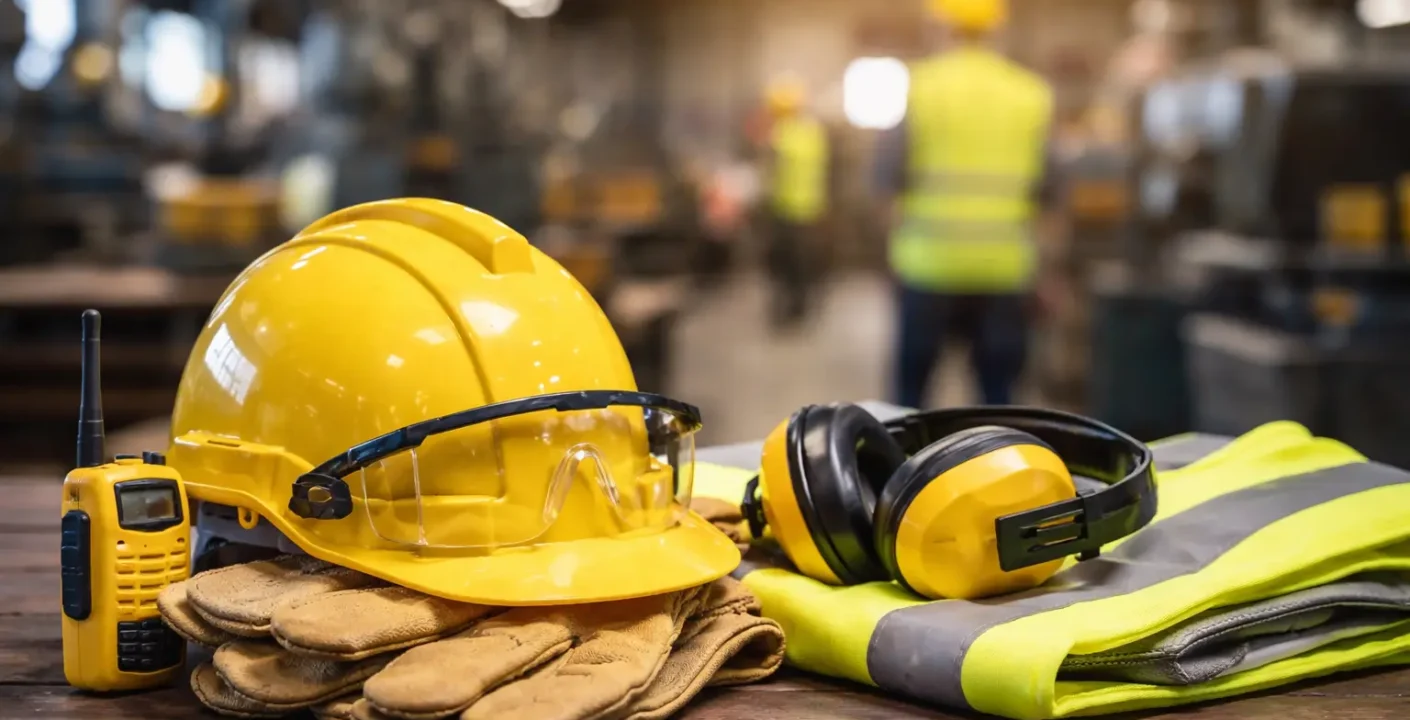
Providing and enforcing the correct use of PPE—such as helmets, gloves, safety shoes, and eye protection—is essential in high-risk environments.
4. Clear Safety Policies and Procedures
Well-documented safety policies help employees understand their responsibilities and follow standardized procedures.
5. Emergency Preparedness
Fire drills, evacuation plans, and first-aid readiness ensure quick and effective responses during emergencies.
The Role of Employees in Workplace Safety
Workplace safety is a shared responsibility. Employees should:
- Follow safety procedures and instructions
- Report hazards or unsafe conditions immediately
- Use PPE correctly
- Participate actively in safety training
A culture where employees feel responsible for their own safety—and that of others—leads to fewer incidents and stronger teamwork.
Creating a Safety-First Culture
Organizations that prioritize safety send a clear message: people matter more than shortcuts. Management commitment, open communication, and continuous monitoring are key to embedding safety into daily operations.
Final Thoughts
Workplace safety is an investment, not a cost. By proactively managing risks and fostering a safety-conscious culture, businesses can protect their most valuable asset—their people—while ensuring long-term success.
If you’re looking to improve workplace safety standards or need expert guidance, staying informed and proactive is the first step toward a safer tomorrow.