
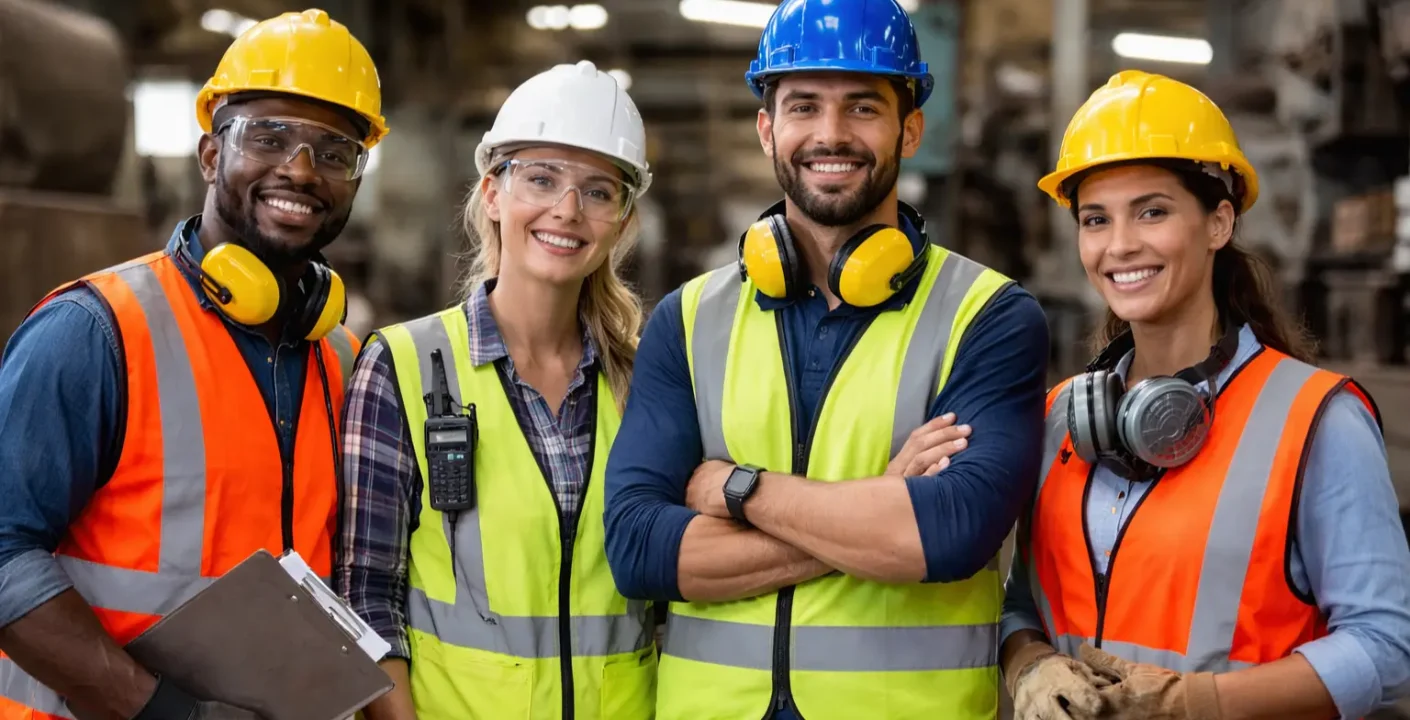
Personal Protective Equipment (PPE) plays a critical role in protecting workers from injuries and health risks when hazards cannot be fully eliminated. While engineering controls and safe work practices are essential, PPE serves as the final barrier between workers and potential danger.
What Is PPE?
PPE refers to specialized clothing and equipment designed to protect employees from workplace hazards. Depending on the work environment, PPE may protect against physical, chemical, biological, electrical, or ergonomic risks.
Common types of PPE include:
- Safety helmets and hard hats
- Safety glasses, goggles, and face shields
- Gloves for hand protection
- Safety shoes and boots
- High-visibility clothing
- Hearing and respiratory protection
Why PPE Is Essential
In many industries, hazards are unavoidable. Construction sites, factories, laboratories, and warehouses expose workers to risks that can cause serious injuries. Proper use of PPE significantly reduces the severity of injuries and, in some cases, prevents them entirely.
Effective PPE usage helps to:
- Minimize exposure to workplace hazards
- Reduce injury severity during accidents
- Improve worker confidence and awareness
- Support compliance with safety regulations
Choosing the Right PPE
Not all PPE offers the same level of protection. Selecting the correct PPE requires a thorough risk assessment to identify hazards and match them with appropriate protective equipment. Ill-fitting or unsuitable PPE can be uncomfortable and ineffective.
Key factors to consider include:
- Type of hazard present
- Level of exposure and risk
- Comfort and proper fit
- Durability and quality standards
Proper Use and Maintenance of PPE
Providing PPE alone is not enough. Employees must be trained on how to wear, adjust, remove, and maintain their equipment correctly. Damaged or worn-out PPE should be replaced immediately to ensure continued protection.
Regular inspections and proper storage also extend the lifespan and effectiveness of PPE.
Shared Responsibility for PPE Safety
Employers are responsible for providing suitable PPE, training employees, and enforcing its use. Employees, in turn, must use PPE correctly, report defects, and follow safety instructions at all times.
Conclusion
Personal Protective Equipment is a vital component of any workplace safety program. When selected correctly, used properly, and maintained well, PPE saves lives and prevents serious injuries. A strong safety culture ensures that PPE is not seen as optional—but as essential protection for every worker, every day.