
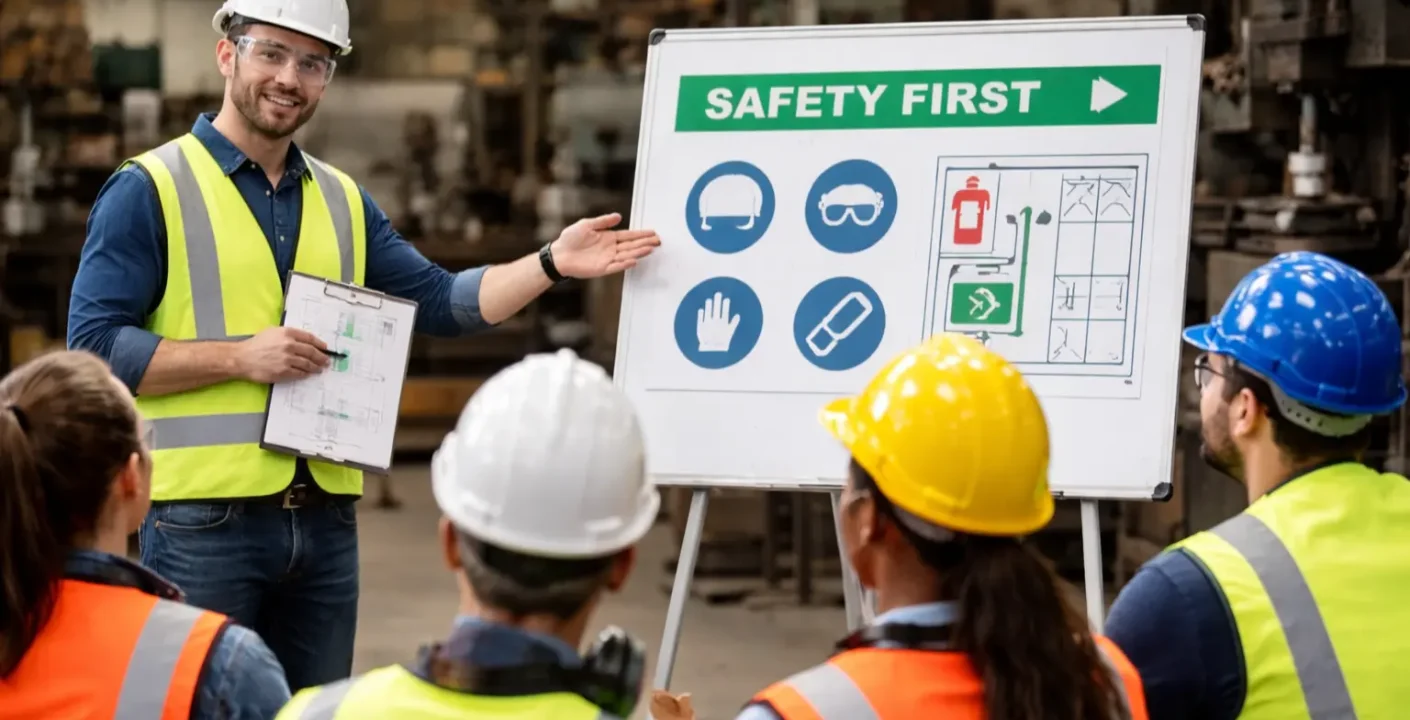
A safe workplace begins with knowledge. Even the best equipment and safety policies can fail if employees are not properly trained or aware of the risks around them. Safety training and awareness are essential for preventing accidents, reducing injuries, and creating a culture where safety comes first.
Why Safety Training Is Essential
Safety training equips employees with the skills and confidence to perform their duties safely. It helps workers understand potential hazards, correct work procedures, and emergency responses before incidents occur.
Effective safety training:
- Reduces workplace accidents and near misses
- Improves employee confidence and decision-making
- Ensures compliance with safety regulations
- Encourages accountability and responsibility
Types of Safety Training in the Workplace
Different workplaces require different types of training. Common safety training programs include:
- Induction training: Introduces new employees to workplace hazards and safety rules
- Job-specific training: Focuses on safe use of tools, machinery, or equipment
- Emergency training: Covers fire safety, evacuation, and first aid procedures
- Refresher training: Reinforces safe practices and updates employees on new risks
Building Awareness Beyond Training Sessions
Safety awareness should extend beyond formal training programs. Daily reminders, toolbox talks, safety signage, and open discussions help keep safety at the forefront of employees’ minds.
Encouraging workers to report unsafe conditions or near misses strengthens awareness and prevents future incidents.
The Role of Management in Safety Training
Management commitment is critical to the success of any safety training program. Leaders must ensure training is regular, relevant, and practical. When management actively participates in training and follows safety rules themselves, employees are more likely to take safety seriously.
Creating a Continuous Learning Culture
Workplace hazards change over time due to new equipment, processes, or environments. Continuous learning ensures employees stay informed and prepared. Regular evaluations and updates to training programs help maintain high safety standards.
Conclusion
Safety training and awareness are not optional—they are essential. By investing in education, communication, and continuous improvement, organizations can reduce risks, protect employees, and build a workplace where safety is part of everyday work.